Leave Your Message
0%

Lately, inertial units have really been gaining attention. Thanks to advances in technology and the rising need for precise navigation and control systems, more industries are turning to these tech solutions. If you took a quick look at a report from MarketsandMarkets, you'd see the global market for inertial navigation systems is expected to hit around $15 billion by 2025, growing at a steady clip of about 5.5% annually. It’s pretty exciting, honestly—this trend reflects how much everyone’s pushing for more automation and better performance, especially in fields like aerospace, automotive, and robotics.
Ultimate Guide to Understanding Inertial Units for Enhanced Performance

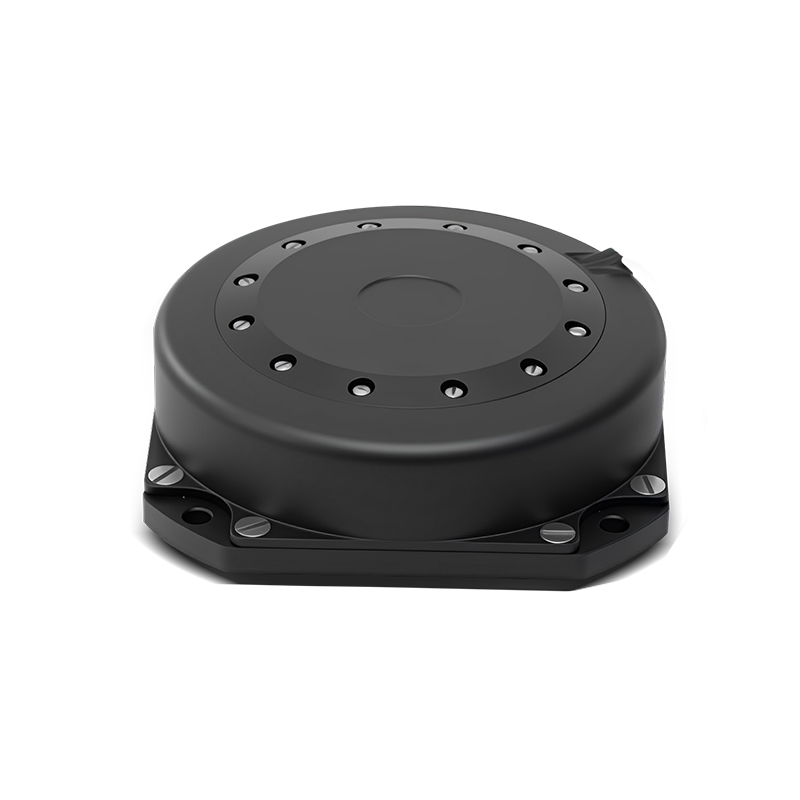
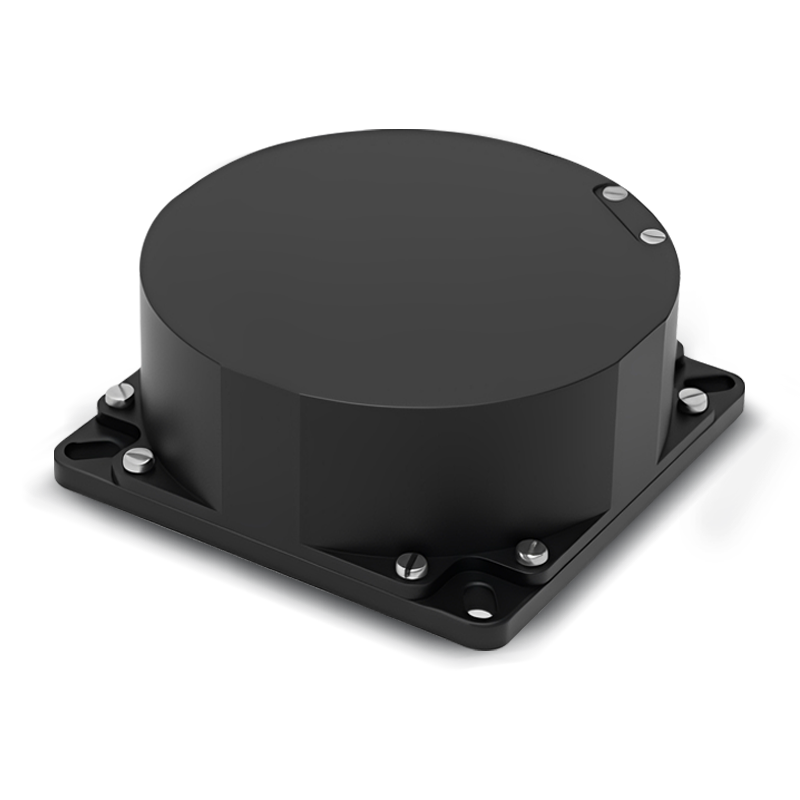
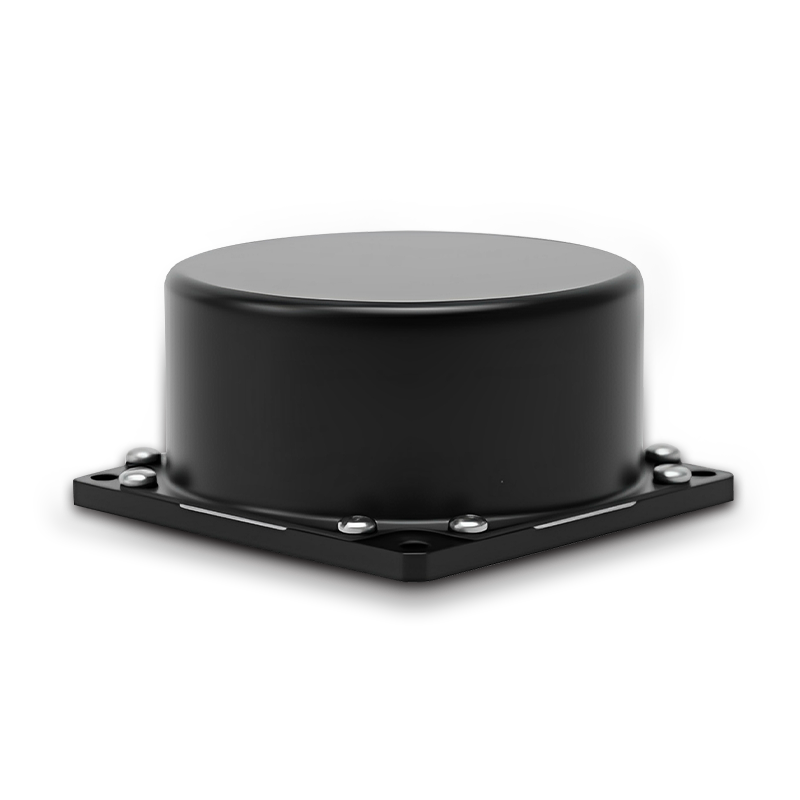
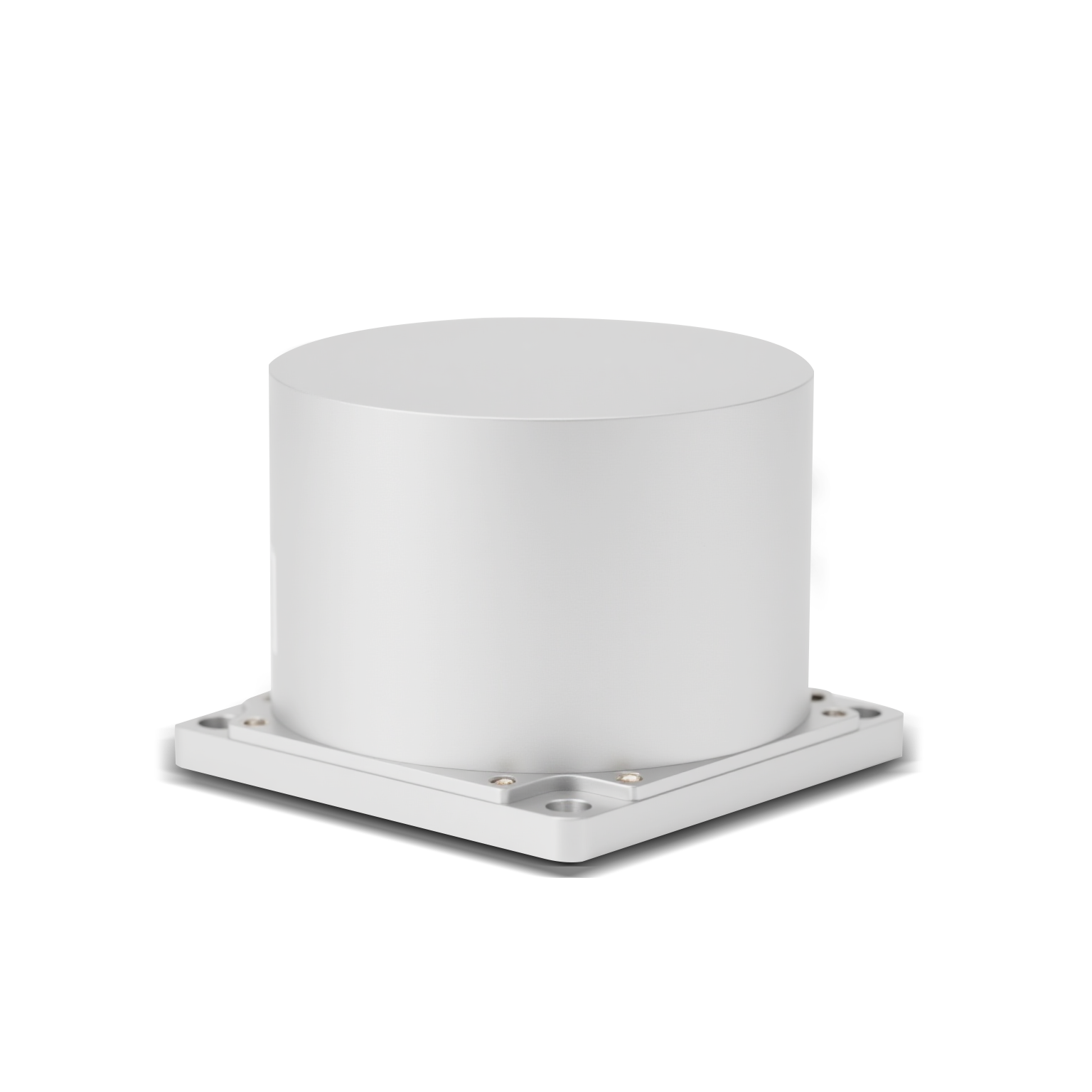
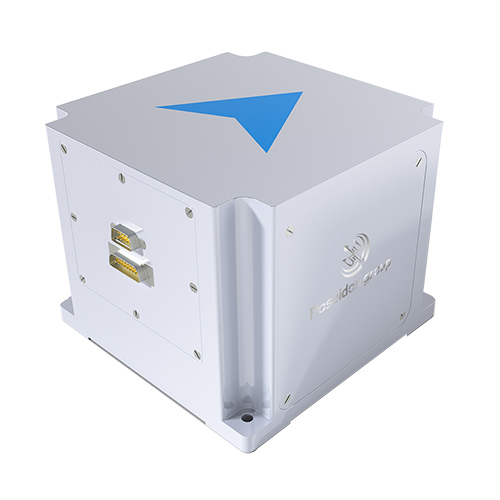
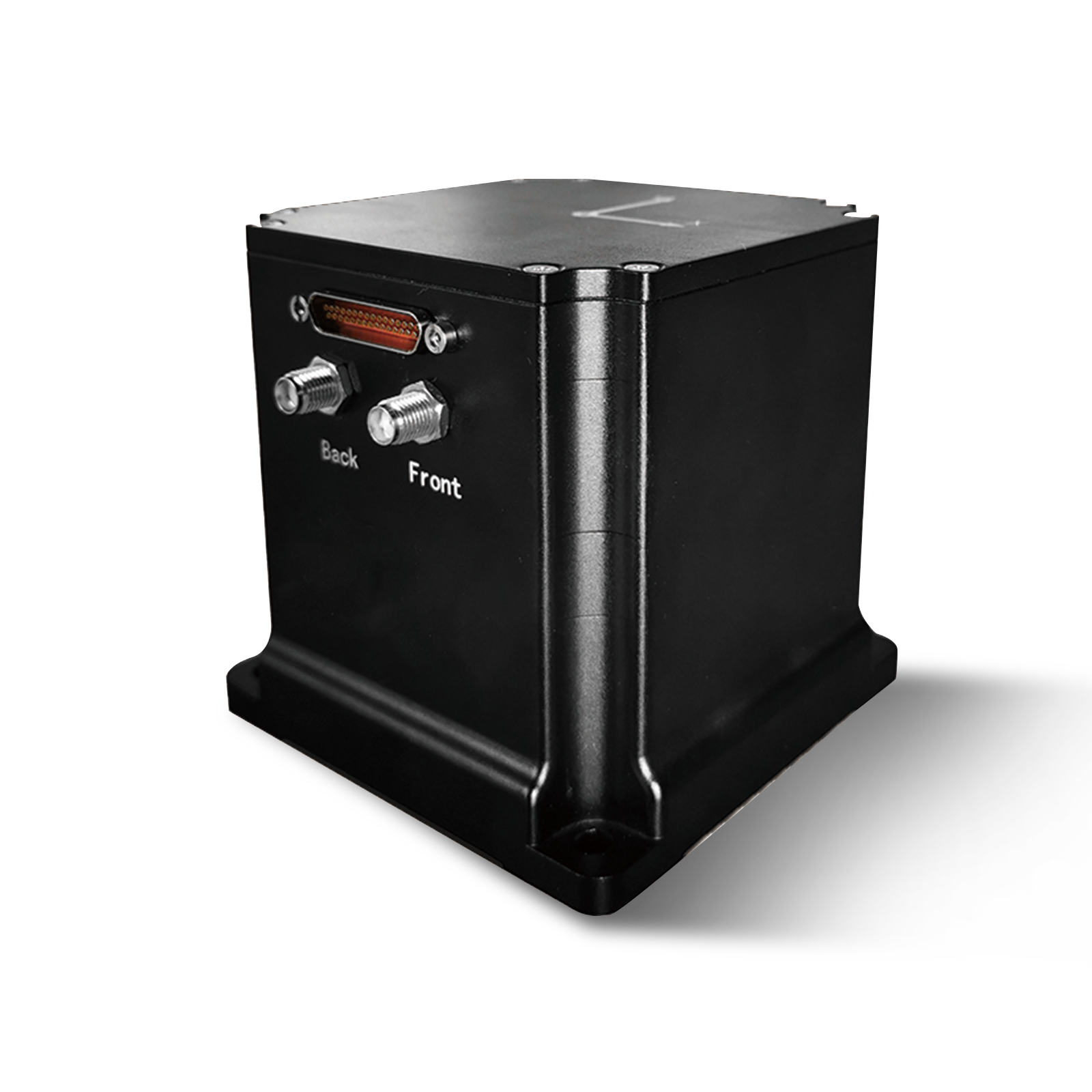
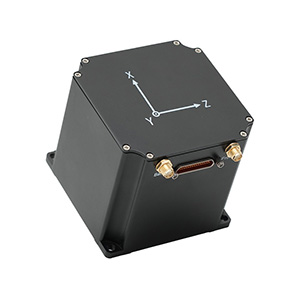
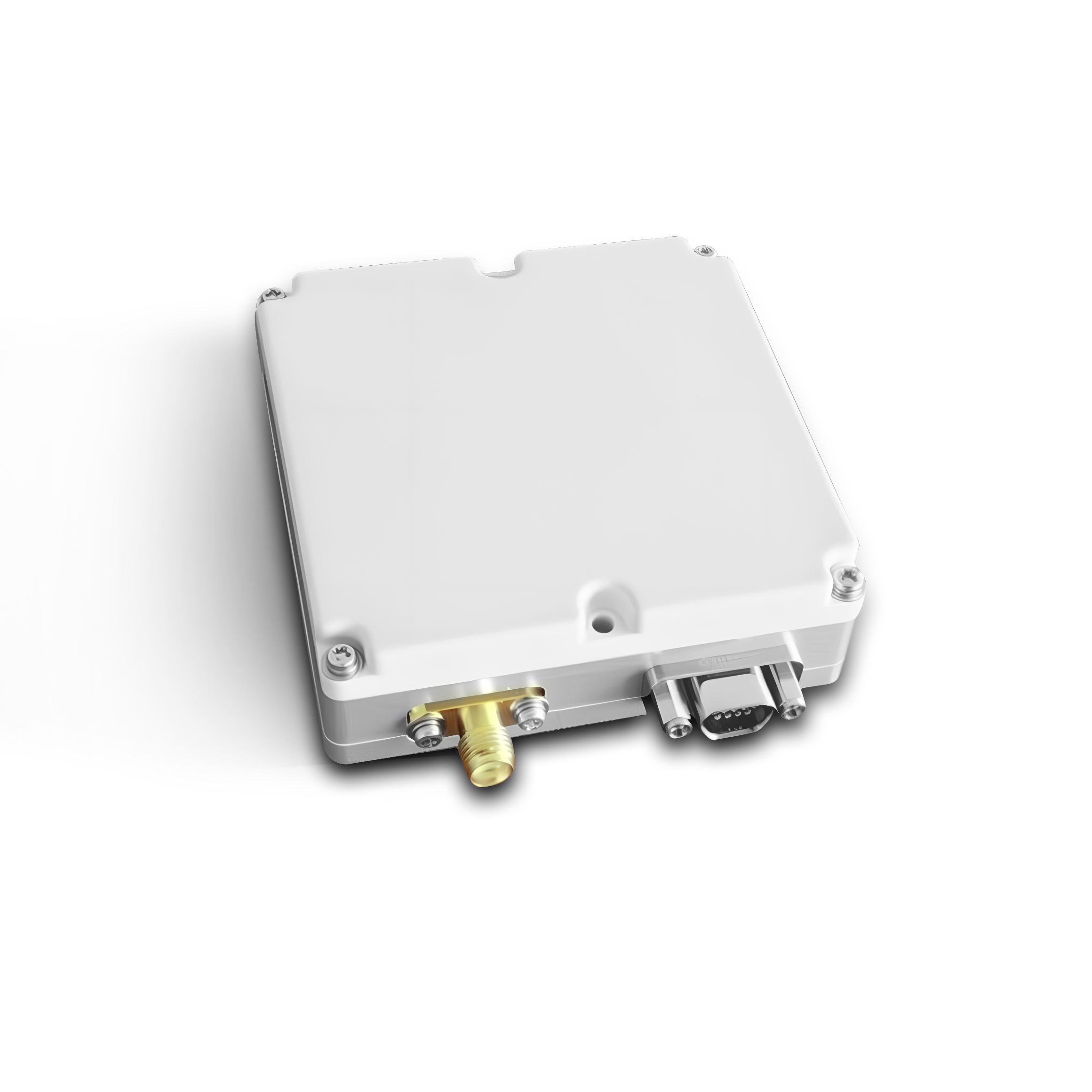
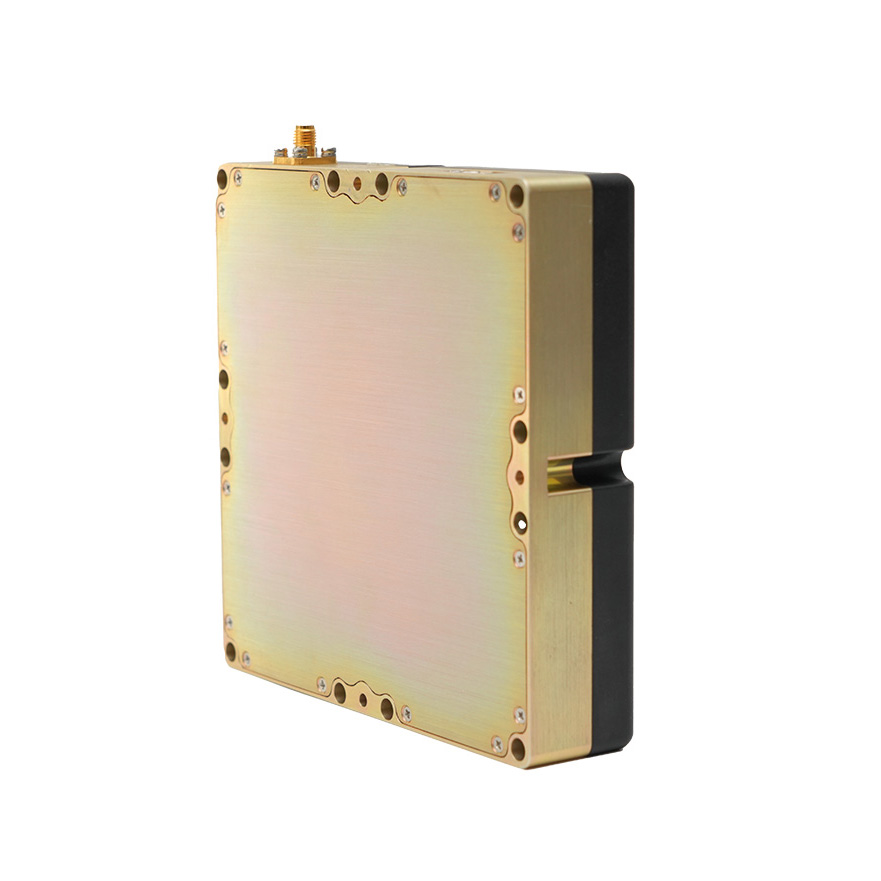
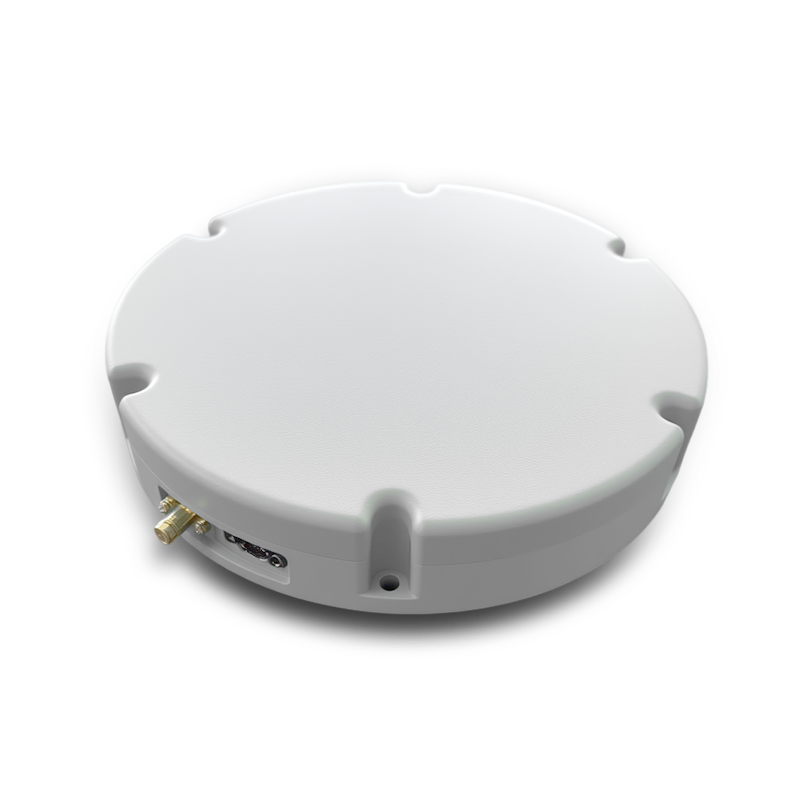
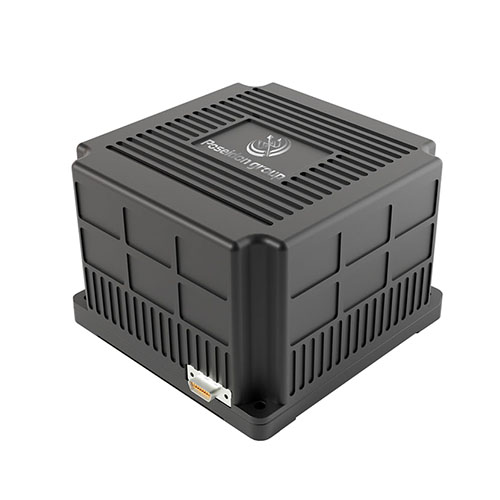
At Poseidon International Group, based in Hong Kong and founded back in 2013, we focus on researching, designing, and manufacturing some pretty advanced fiber optic gyroscopes (FOG) and inertial navigation systems (INS). We’re really passionate about pushing the boundaries, which has led us to secure several patents—so we’re kind of proud to be leading the way in inertial unit tech. This guide is just a little introduction to help you get a better grasp of inertial units and why they’re so crucial for making systems perform at their best.

Exploring Inertial Units: Key Players in Performance Enhancement

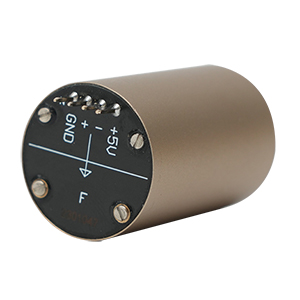
Inertial units have really become pretty important when it comes to boosting performance, whether you're talking about sports or aerospace. These high-tech gadgets use accelerometers and gyroscopes to measure motion, orientation, and acceleration — and they do it with impressive accuracy. The cool part? They provide real-time data that athletes and engineers can use to tweak and improve their techniques. Whether it’s helping a sprinter get that perfect stride or making sure an airplane stays stable, inertial units are totally game-changing.

Thanks to these devices, the way we approach training and performance analysis has completely transformed. Coaches now have access to detailed data, which helps them spot patterns, make smarter decisions, and customize training plans for each athlete. On the flip side, in aerospace, engineers depend on these sensors to keep aircraft safe and running smoothly. And as technology keeps evolving, we can expect inertial units to play an even bigger role in pushing the boundaries of what's possible — in sports, flight, and beyond.

Understanding Alternative Technologies to Inertial Units in Motion Tracking

You know, when it comes to motion tracking, inertial units have pretty much been the go-to thing for pinpointing precise movement and spatial orientation. But, here's the thing—they're not the only game in town anymore. New technologies are popping up and shaking things up, offering some pretty cool advantages. Take optical tracking systems, for example—they use cameras and light sources to keep tabs on motion, and they do it with really high accuracy. I recently read a report from MarketsandMarkets that predicts the optical motion capture market will hit around $1.5 billion by 2025, which just shows how much people want smoother tracking and better user experiences.

There’s also magnetic tracking, which is pretty interesting. It uses magnetic fields to figure out the position and orientation of objects. A study published in the journal Sensors mentioned that magnetic tracking can actually deliver real-time accuracy within about 1 millimeter—perfect for AR and VR applications. As these new techs keep improving, it’s clear they have the potential to seriously boost how we do motion tracking. So yeah, inertial units are still widely used, but they definitely aren't the only options out there. Things are getting more exciting!

Ultimate Guide to Understanding Inertial Units for Enhanced Performance - Understanding Alternative Technologies to Inertial Units in Motion Tracking

Technology Advantages Disadvantages Typical Applications
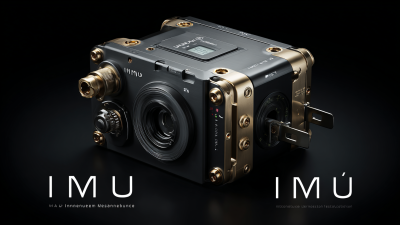
Inertial Measurement Units (IMUs) High precision, real-time data Drift over time, sensitive to vibrations Aerospace, automotive, robotics
Visual Odometry Low cost, no special hardware needed Requires good lighting, sensitive to motion blur Robotics, AR/VR applications
Ultra-Wideband (UWB) Technology High accuracy, good range May be affected by obstacles, requires synchronization Indoor navigation, asset tracking
Global Navigation Satellite Systems (GNSS) Wide coverage, reliable outdoor use Signal loss indoors, lower accuracy Fleet management, outdoor surveying
Magnetic Field Mapping Robust in complex environments Limited range, interference from magnetic fields Indoor navigation, archaeological site surveying

Comparative Analysis: Inertial Units vs. GPS Solutions in Sports Performance

When it comes to sports performance analysis these days, choosing between inertial units and GPS solutions is a pretty big deal. You see, inertial navigation systems—like the ones made by Poseidon International Group in Hong Kong—offer super accurate tracking of movement without depending on satellite signals. Recent studies show that inertial units can get within about 1% accuracy compared to GPS, which can sometimes lag or lose signal, especially in fast-moving or crowded settings. That kind of precision really matters in high-stakes sports where every millisecond counts.

So, if you're picking a system for performance insights, think about the environment. Inertial units are especially great indoors or somewhere GPS signals might get blocked or distorted. Plus, they’re fantastic for catching quick changes in movement—something athletes need to tweak their techniques on the fly.

And here’s the cool part: inertial units process data in real-time, which means coaches can make quick tactical calls based on live info. Studies suggest that athletes using advanced inertial measurement tools can boost their performance by up to 20%. Bringing this technology into training gives teams a real edge—they can analyze precise data and tailor their prep accordingly.

Recent Advances in Sensor Fusion Techniques for Accurate Motion Tracking

Lately, there’ve been some pretty exciting advances in sensor fusion techniques, and honestly, they’re really making a difference when it comes to how accurately we can track motion. Whether it’s in everyday gadgets or high-tech aerospace gear, these improvements are a game changer. Basically, by combining data from different sensors—like accelerometers, gyroscopes, and magnetometers—engineers can get a much clearer picture of how something is moving. It’s kind of like having a team effort; each sensor compensates for the others’ quirks, so you end up with data that’s way more reliable and precise. Plus, new algorithms and machine learning models are making these systems smarter at understanding even complex motion patterns.

One of the coolest things about modern sensor fusion is how adaptable it is across different settings. I mean, it’s used in virtual reality setups that need to track your movements in real time, or in cars that aim to make your ride smoother and safer. It’s honestly pretty amazing how these techs are changing the way we experience motion. And with AI thrown into the mix, these systems not only get better at getting accurate readings but can also predict what’s coming next—kind of like they’re anticipating your moves based on what they've learned from the past. As all this keeps evolving, there’s no telling just how much more we can improve motion tracking. The future looks pretty promising.

Evaluating Cost-Effectiveness of Alternative Systems for Enhanced Performance Monitoring

When it comes to keeping an eye on performance, inertial units have really been catching a lot of attention lately. These devices give pretty accurate data on movement, orientation, and acceleration, which makes them super useful across all sorts of fields like sports science, robotics, and more. That said, the price tag for top-notch inertial units can definitely be a hurdle for many organizations. So, it’s pretty important to weigh other options — finding systems that give you good enough data without breaking the bank.

There are a few alternatives out there, like GPS or even computer vision-based solutions, each with their own strengths and quirks. GPS is great for tracking location and speed, but it kind of falls flat in places where satellite signals are weak or unreliable. On the flip side, computer vision tech can give you a lot of detailed info, but it might need a complex setup and a lot of processing power to run smoothly. By comparing these options with inertial units, organizations can figure out what’s the best mix of cost and performance for their specific needs. Doing this kind of evaluation not only helps make smarter decisions but also encourages innovative, budget-friendly ways to keep tabs on performance — which is pretty awesome.

Industry Insights: Future Trends in Inertial Unit Technology and Alternatives

As we look ahead to where inertial unit tech is headed, it’s pretty clear that we need to keep an eye on how fast things are moving in related areas like 5G, machine learning, and extended reality (or XR, if you’re into the buzzwords). These techs are actually about to reshape inertial systems—making them not just more accurate, but also faster and more adaptable. For example, with 5G rolling out, real-time data processing is about to become a game-changer, supercharging how inertial units perform—think better navigation and motion tracking across a bunch of different uses.

Here’s a quick tip: When you’re choosing inertial units for your projects, it’s smart to pick models that play nicely with these emerging techs. Thinking ahead like that can really boost your efficiency and overall performance.

And on another note, the fiber optic gyroscope (or FOG) market is expected to grow a lot. Estimates say it’ll jump from around USD 1.9 billion in 2025 to nearly USD 4.5 billion by 2035. That's a pretty big deal, and it shows industries are really after more precise, high-performing inertial systems—everyone’s looking for better options.

So, if you want to stay ahead, it’s worth keeping an eye on the latest in fiber optic gyroscope tech. Making sure your investments match these trends towards better accuracy and sustainability could really pay off in the long run.

FAQS

: What are inertial units and how do they function?

: Inertial units are sophisticated devices that utilize accelerometers and gyroscopes to measure motion, orientation, and acceleration with precision. They capture real-time data to provide insights that help in optimizing performance in both sports and aerospace applications.

How are inertial units used in sports performance enhancement?

In sports, inertial units are integrated into training regimens and performance analysis tools, allowing coaches to leverage data to identify patterns, make informed decisions, and tailor training programs to the individual needs of athletes.

What alternative technologies exist to inertial units for motion tracking?

Optical tracking systems and magnetic tracking are emerging alternatives. Optical systems use cameras for motion capture with high accuracy, while magnetic tracking utilizes magnetic fields for detecting position and orientation, suitable for applications in augmented reality and virtual reality.

How do inertial units compare to GPS solutions in sports performance analysis?

Inertial navigation systems offer precise motion tracking without satellite signal limitations. They can achieve positional accuracy within 1%, whereas GPS may suffer from latency and signal loss. This makes inertial units particularly beneficial in high-stakes sports environments.

What advantages do inertial units offer over GPS solutions?

Inertial units excel in environments where GPS signals are obstructed, such as indoors or in crowded areas. They also provide real-time data processing, allowing for immediate tactical adjustments during training and competitions.

Can using inertial units significantly improve athletic performance metrics?

Yes, research indicates that athletes using advanced inertial measurement can enhance their performance metrics by up to 20%, providing teams with a competitive edge by leveraging precise data for training and preparation.

Conclusion

Hey, have you checked out the 'Ultimate Guide to Understanding Inertial Units for Better Performance'? It’s a pretty deep dive into how Inertial Units play a crucial role in improving motion tracking—something you see everywhere from sports tech to self-driving cars. The guide walks through different tech that works alongside Inertial Units, compares how well they do versus GPS, and highlights some of the latest advances in sensor fusion that really boost tracking accuracy. It also looks at the cost side of things and gives some interesting predictions about where Inertial Unit tech is headed next.

And speaking of experts, Poseidon International Group is a big name in this space. They’re known for their cutting-edge fiber optic gyroscopes and advanced inertial navigation systems. Their innovative approach and solid R&D effort ensure that Inertial Units keep getting better and remain a key part of performance monitoring in all kinds of industries. It’s exciting to see how these advancements are paving the way for even cooler applications down the line!
Emily

Emily

Emily is a dedicated marketing professional at Poseidon, a pioneering company founded in 2013 that specializes in independent research, design, and production of cutting-edge technologies such as fiber optic gyroscopes (FOG), inertial navigation systems (INS), and advanced autonomous driving......
Previous How the Best Inertial Sensor System Fuels China's Manufacturing Growth Amidst US-China Tariff Challenges