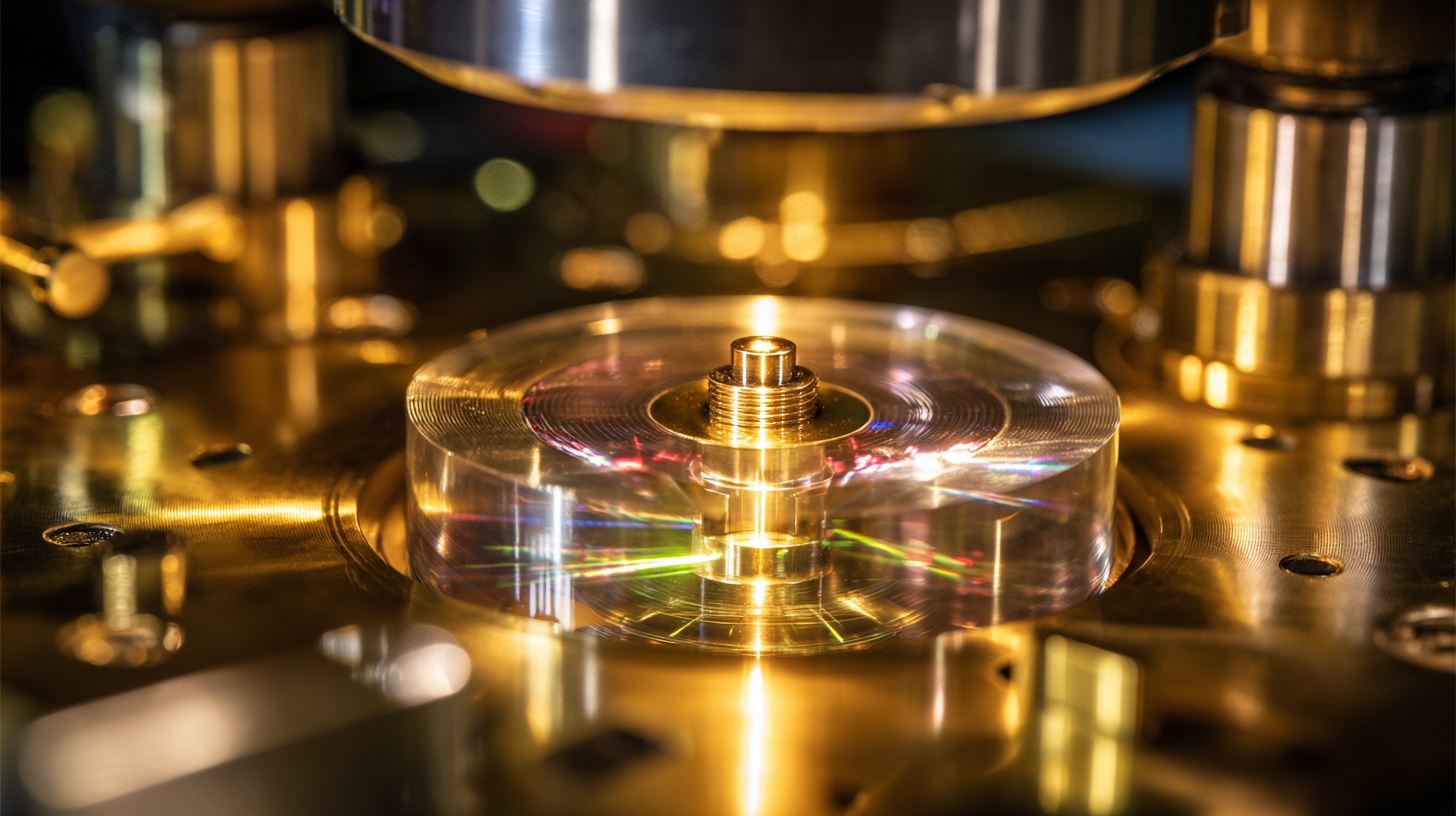
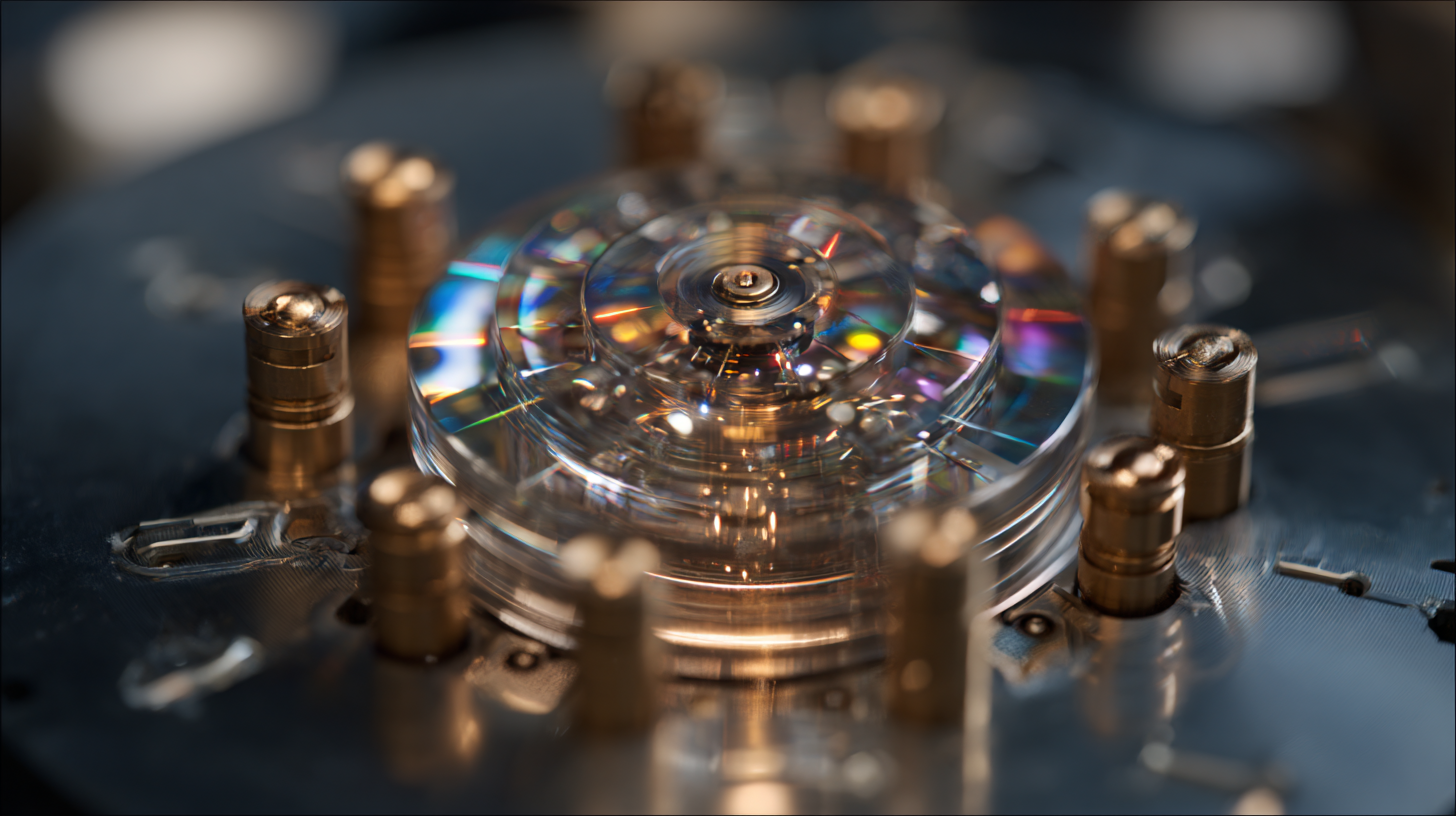
In the fast-moving world of navigation tech, the Fiber Optic Gyroscope (or FOG, for short) really stands out as a game-changer. It’s a key piece of innovation that boosts how accurate and reliable navigation systems are — whether we’re talking about flying planes, exploring space, or self-driving cars. At Poseidon International Group in Hong Kong, we’ve been around since 2013, focusing on researching, designing, and making these incredible FOGs and inertial navigation systems (INS). We’re pretty proud of the patents we've secured along the way, which really puts us on the map in this field.
In this blog, I want to break down how fiber optic gyroscopes actually work — from the basics of their mechanics to the benefits they bring, and why they’re such an important part of modern navigation and control systems. Our hope is that by sharing this, you'll see just how impactful FOG technology is and how it’s really revolutionizing the way we navigate with precision today.
The Basics of Fiber Optic Gyroscopes Explained
Fiber optic gyroscopes, or FOGs for short, are pretty amazing when it comes to detecting rotation. They’re a real step up from the old-school mechanical gyroscopes because they use light to figure out how something’s moving — and they do it with crazy high precision. What’s cool is that, unlike traditional gyros, FOGs have no moving parts at all. That makes them super reliable, which is a big deal, especially in stuff like aerospace and defense, where you really need things to stay accurate and dependable.
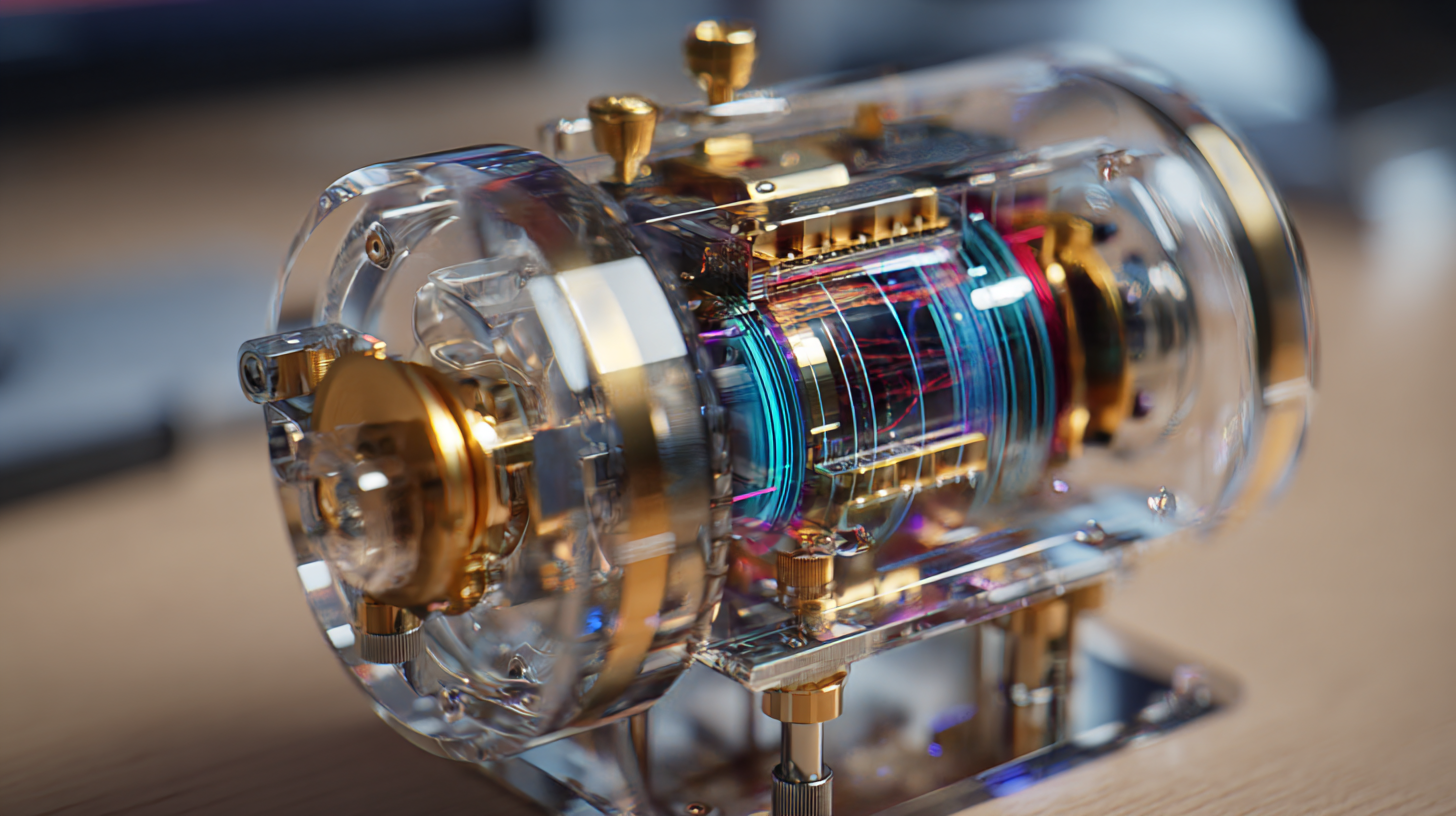
Lately, it looks like the market for these gadgets is booming. Experts say it could hit around $2.85 billion by 2026, mainly because more navigation systems are demanding better accuracy. These FOGs can be precise to about 0.1 degrees per hour — way better than those older versions. Plus, with new tech like silicon-based interferometric sensors, they’re getting smaller and more efficient without sacrificing performance. All these innovations not only make them more practical but also open up new possibilities, like using them in quantum sensors, which could totally shake up how we do navigation in the future — with next-level stability and precision.
How Fiber Optic Technology Enhances Gyroscopic Precision
Fiber optic gyroscopes, or FOGs for short, use pretty advanced optical tech to get really accurate readings of rotation. They’re actually pretty essential in a bunch of high-tech fields these days. You see, unlike old-school mechanical gyroscopes that can wear out or lose accuracy over time, FOGs work by measuring how light waves interfere as they travel through long fibers of glass or plastic. This clever trick pretty much sidesteps all the physical limits that mechanical systems face, making them way more stable and dependable when it comes to tracking rotation.
Here’s the gist: FOGs are based on something called the Sagnac effect. Basically, you send light beams in opposite directions around a coil of fiber. When the device rotates, it causes a tiny shift—called a phase shift—in how those beams interfere with each other. By carefully measuring this shift, you can accurately figure out how fast the device has turned. Plus, since fiber optic cables can be wound tightly and aren’t as affected by vibrations or temperature swings, FOGs give super precise measurements. That’s why you find them everywhere—think space navigation, underwater exploration, and pretty much anywhere an accurate sense of orientation really matters.
Key Components and Their Functions in Fiber Optic Gyroscopes
Fiber optic gyroscopes, or FOGs for short, are pretty fancy devices that measure how things rotate in space. You'll find them playing crucial roles in stuff like aircraft navigation and robots—they're kind of the backbone of accurate motion detection. At the core of these gadgets are a bunch of key parts that work together to give us super precise and reliable readings. One of the most important bits? The optical fiber itself. That's what the light travels through, and it’s what makes it possible to detect tiny shifts in phase when the device turns. Basically, it's the interference of light waves that makes everything tick—this interference creates a signal we can measure to know exactly how fast something's rotating.
Then there's the light source, usually a laser, giving off the coherent light needed for everything to work smoothly. Right alongside it is the photodetector, which catches the interference patterns made when the light beams bounce around inside. This pattern tells us how fast the device is spinning. On top of that, the signal processing electronics come into play—they interpret all that data from the photodetector, making sure the info we get is accurate and useful. Putting all these pieces together, it’s pretty clear how fiber optic gyroscopes pull off such precise motion sensing—it's a finely-tuned system that’s vital in all sorts of high-tech applications.
Key Components of Fiber Optic Gyroscopes
Applications of Fiber Optic Gyroscopes in Modern Technology
Fiber optic gyroscopes, or FOGs for short, have really changed the game in tech ever since they hit the scene. They’re incredibly precise and reliable, which is pretty amazing. Basically, they use the interference of light to figure out rotation—so, they’re super good at what they do. You’ll find them everywhere from navigation systems in aircraft and ships to self-driving cars. And guess what? Industry reports are saying the market for FOGs might hit around $1.2 billion by 2025. That growth is mainly driven by big sectors like aerospace, defense, and the booming autonomous vehicle industry.
Here at Poseidon International Group (Hong Kong) Limited, we’re pretty proud to be right at the cutting edge of this technology. We focus on researching, designing, and manufacturing fiber optic gyros and inertial navigation systems. We’ve put serious effort into R&D, which has earned us a bunch of patents, and it’s helped us become recognized leaders in the field. These gyroscopes are pretty much essential when you need pinpoint accuracy in navigation—whether that’s in space, robotics, or even at sea.
A quick tip if you’re thinking about using FOGs: make sure to keep in mind your specific needs—like size, weight, and environmental factors—to get the best results.
And with autonomous vehicles becoming more common, integrating FOGs is turning into a real must-have. Whether you’re managing a fleet or working on driverless cars, you need navigation systems you can count on—high stability and reliability are key if you want to make good decisions in tricky, real-time situations.
Here’s another tip: go with trusted suppliers who offer reliable support and cutting-edge tech. That way, you’re set for long-term success with your projects—and trust me, it makes a big difference.
Comparing Fiber Optic Gyroscopes with Traditional Gyroscopes
When you compare fiber optic gyroscopes, or FOGs, to the more traditional kind, it’s helpful to really get a sense of how they work. Traditional gyroscopes usually rely on spinning or moving parts — you know, like a mass spinning around an axis — to keep track of orientation. While this setup does the job pretty well, it’s not perfect. Over time, stuff like wear and tear, mechanical fatigue, and even environmental conditions can mess with their accuracy and reliability.
On the flip side, fiber optic gyroscopes use a completely different approach. They measure how light waves interfere as they travel through long loops of fiber optic cable to detect any changes in position. What’s cool is that they don’t have any moving parts at all. Because of this, FOGs tend to be a lot more stable and dependable — especially in tough environments like aerospace or defense, where precision really matters.
Plus, they’re generally lighter and more compact, which makes them a pretty attractive option for modern navigation gear. Overall, it’s this combination of high accuracy and durability that makes FOGs a game-changer compared to traditional gyroscopes.
Future Trends in Fiber Optic Gyroscope Development and Research
The field of fiber optic gyroscopes, or FOGs for short, is really seeing some exciting changes lately, thanks to new tech and market needs. From what I’ve come across in recent industry reports, the global market for these gyroscopes is expected to hit over over $2 billion by 2026, growing at around 7.5% annually. That’s a pretty solid jump! And a big part of that growth comes from their increasing use in areas like aerospace, defense, and autonomous vehicles—places where precision and reliability seriously matter. On top of that, the development of integrated photonic devices is opening up new doors, making these gadgets smaller and cheaper, so they’re getting way more accessible for everyday commercial applications.
As research continues to push forward, a few interesting trends are worth keeping an eye on. For example, researchers are now bringing machine learning algorithms into the mix to make gyroscopes more accurate and quick to respond. That’s a game-changer for real-time data processing, especially in robotics and navigation. Plus, newer materials like hollow-core photonic crystal fibers are promising to boost performance and sensitivity, really pushing what these devices can do.
A quick tip: When you’re choosing a gyroscope for your project, think about what you actually need it to do—things like how it handles temperature changes or fits into tight spaces. Those little details can make a big difference.
One more trend worth mentioning is the move towards dual-axis and multi-axis FOGs, which are better at tracking complex movements in tricky environments. Turns out, multi-axis systems can seriously improve the performance of inertial measurement units, or IMUs, making them super useful for things like geophysical surveys or vehicle navigation systems.
Another tip: Keep an eye on new advancements in fiber optic materials, because breakthroughs there could lead to even better gyroscopes down the line.
Exploring the Cutting-Edge UAVs BSD60 Fiber Optic Gyroscope: Benefits, Features, and Applications
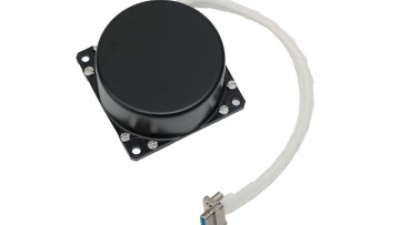
Exploring the revolutionary Poseidon BSD60 Fiber Optic Gyroscope unveils a new horizon in UAV technology. Engineered with cutting-edge digital closed-loop technology, the BSD60 offers extraordinary zero-bias stability ranging from 0.05°/h to 0.2°/h. This unparalleled precision ensures that UAVs equipped with the BSD60 can achieve unmatched accuracy even in the most demanding environments. Its compact design of just 60mm x 60mm x 30mm and lightweight profile of ≤ 160g make it an ideal choice for applications where space is at a premium.
The impressive features of the BSD60 are further enhanced by its high precision and simplified structure, which contribute to a wide dynamic range and rapid startup time. These traits, alongside its strong resilience to vibration and shock, position the BSD60 as the optimal solution for small inertial measurement units (IMUs), navigation systems, guidance seekers, servo tracking, and electro-optical pods. Whether deployed in military operations or industrial applications, the Poseidon BSD60 is set to deliver reliable performance, ensuring that UAVs can navigate and perform tasks efficiently, even under challenging conditions.
FAQS
: Fiber optic gyroscopes (FOGs) are advanced rotational sensing devices that use light interference in optical fibers to measure changes in orientation with high precision.
Unlike traditional mechanical gyroscopes that have moving parts and can be affected by wear and inaccuracies, FOGs operate without moving components, making them more stable and reliable.
The Sagnac effect refers to the phenomenon where light beams traveling in opposite directions around a coil of fiber experience a phase shift when the gyroscope rotates, allowing precise measurements of rotation.
FOGs offer enhanced precision, reliability, and reduced susceptibility to environmental factors, making them ideal for applications in aerospace, defense, and underwater exploration where accurate movement tracking is essential.
The global fiber optic gyroscope market is projected to reach USD 2.85 billion by 2026, attributed to the increasing demand for high-precision navigation systems.
The incorporation of technologies like silicon-based interferometric optical gyroscopes allows for miniaturization while maintaining performance, broadening the applicability of FOGs in emerging fields such as quantum sensors.
FOGs can achieve precision rates as high as 0.1 degrees per hour, significantly surpassing traditional gyroscopes.
FOGs are robust because they have no moving parts, which reduces wear and increases reliability, making them suitable for critical high-tech applications.
FOGs are predominantly used in aerospace navigation systems, defense, and other high-tech areas requiring accurate orientation and movement tracking.
FOGs are less affected by environmental factors such as vibration and temperature changes compared to mechanical gyroscopes, contributing to their high precision and reliability.
Conclusion
Fiber Optic Gyroscopes, or FOGs for short, are really a game-changer when it comes to navigation technology. They use the cool science of fiber optics — basically bouncing light back and forth through tiny fibers — to measure rotation with incredible accuracy. If you think about it, they rely on interference patterns of light traveling through these fibers, which helps them track even the tiniest movements pretty precisely. This article takes a closer look at how FOGs work—breaking down their main parts and functions—and compares them with old-school gyroscopes to show just how much better and more reliable they are.
You’ll find FOGs popping up in all kinds of modern tech. From satellites in space and ships navigating the oceans to self-driving cars inching their way around, these little devices are everywhere. And as companies like Poseidon International Group in Hong Kong keep pushing the envelope with new innovations in FOGs and inertial navigation systems, we’re definitely in for some exciting times ahead. It’s pretty cool to think about how these tiny gadgets are shaping the future of precision navigation across so many fields.

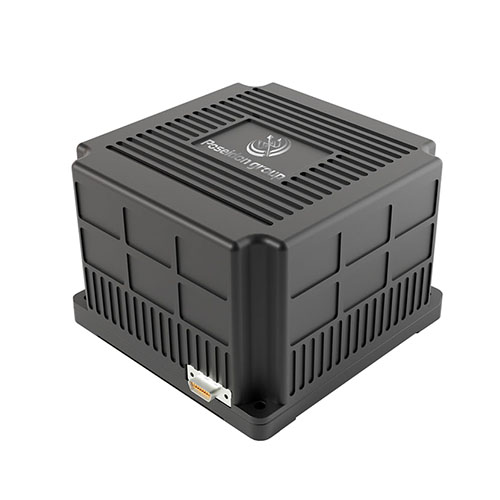 TBSD60
 BSD120
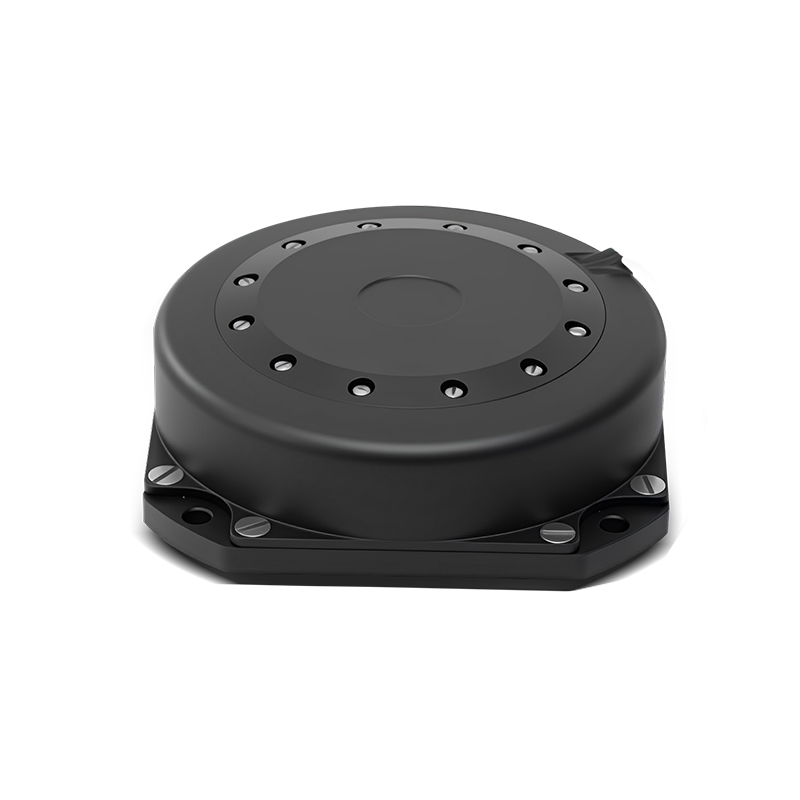 BSD98
BSD98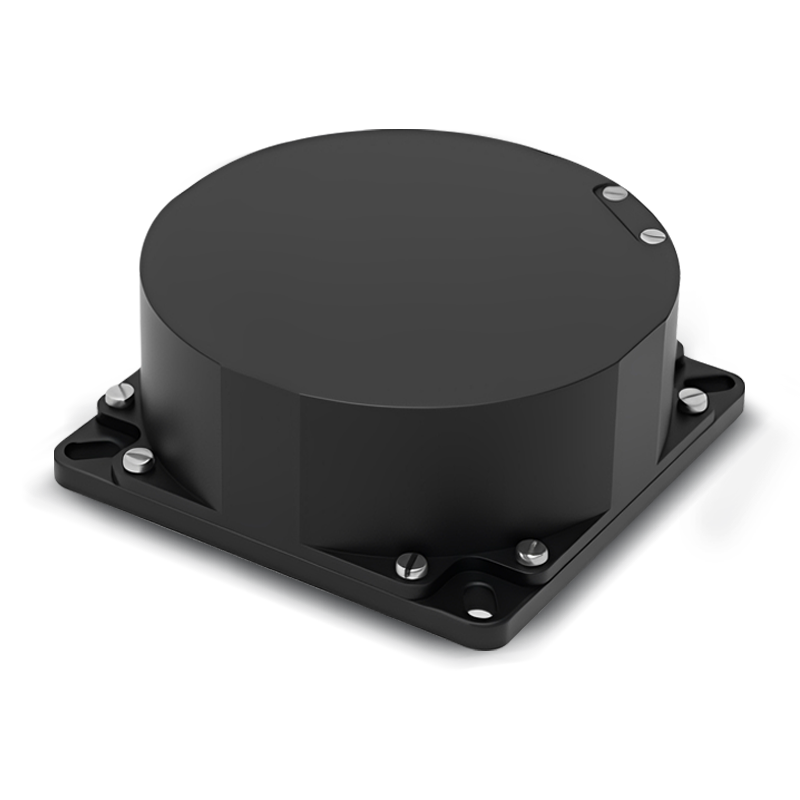 BSD70
BSD70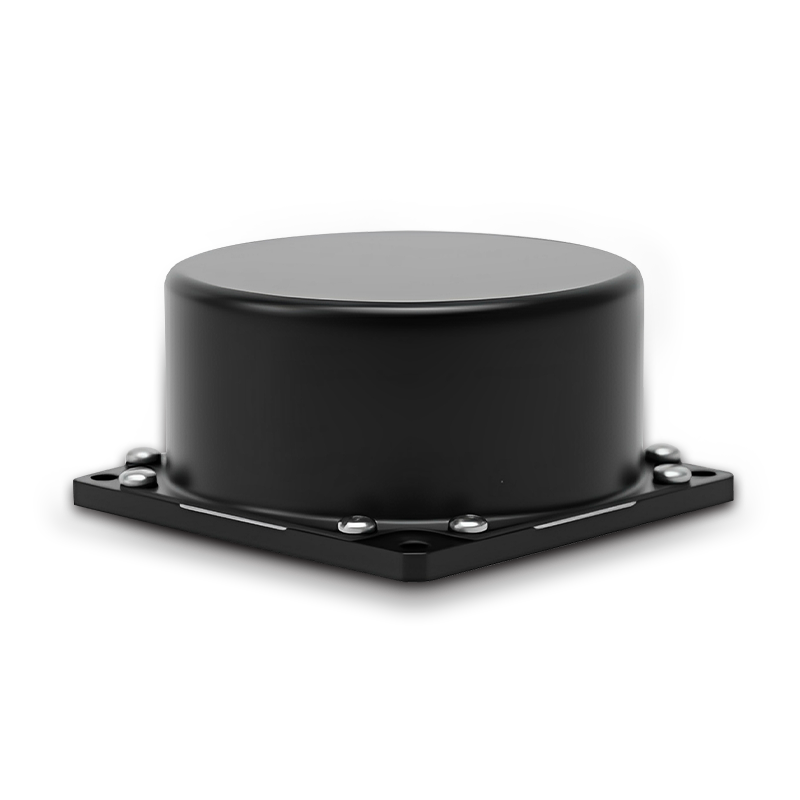 BSD60
BSD60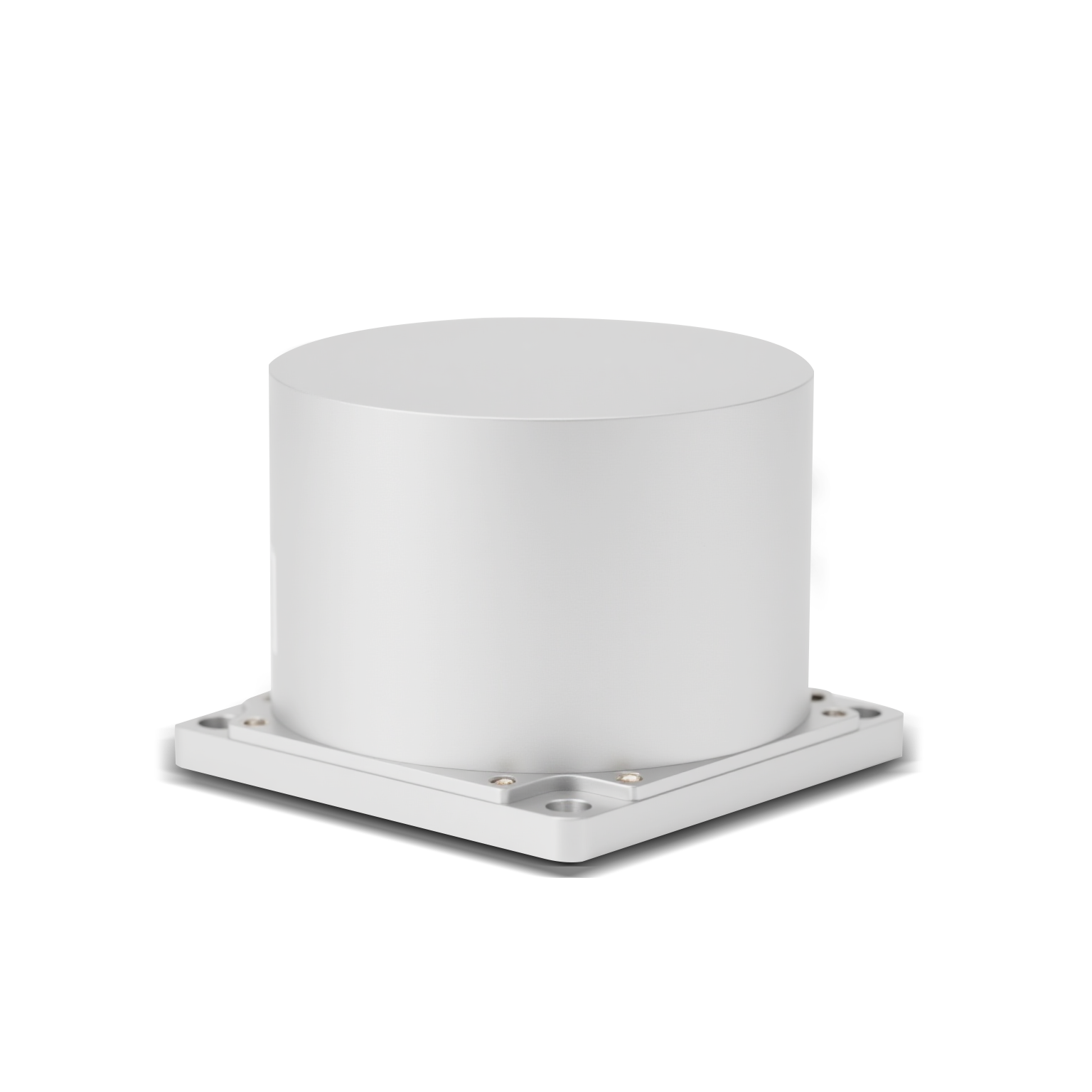 BSD50
BSD50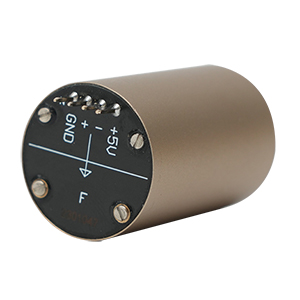 BSD217
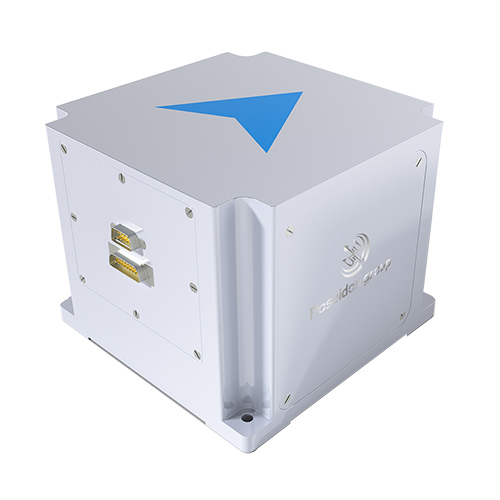 INS1700
 INS970
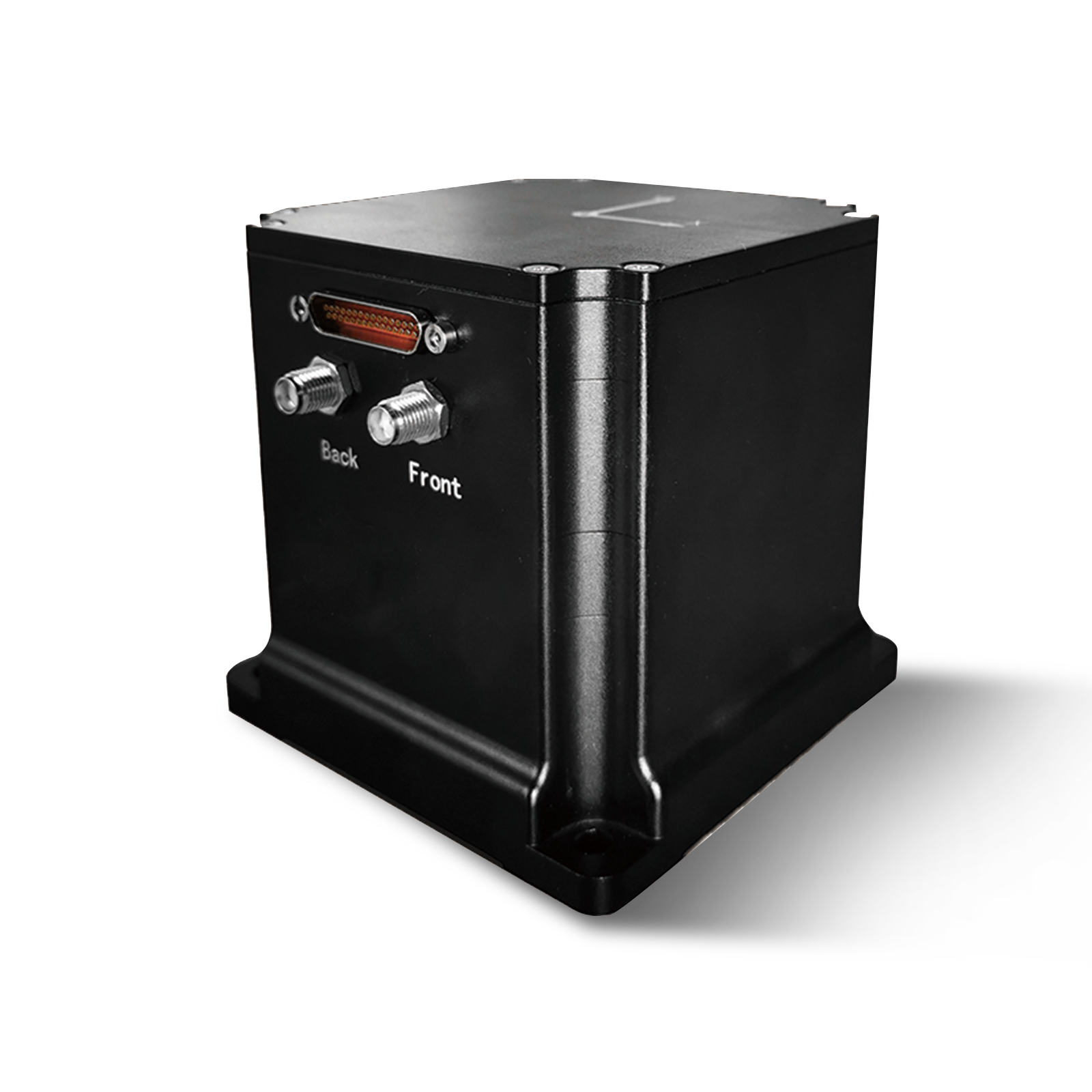 INS570
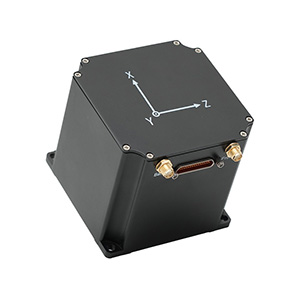 INS170
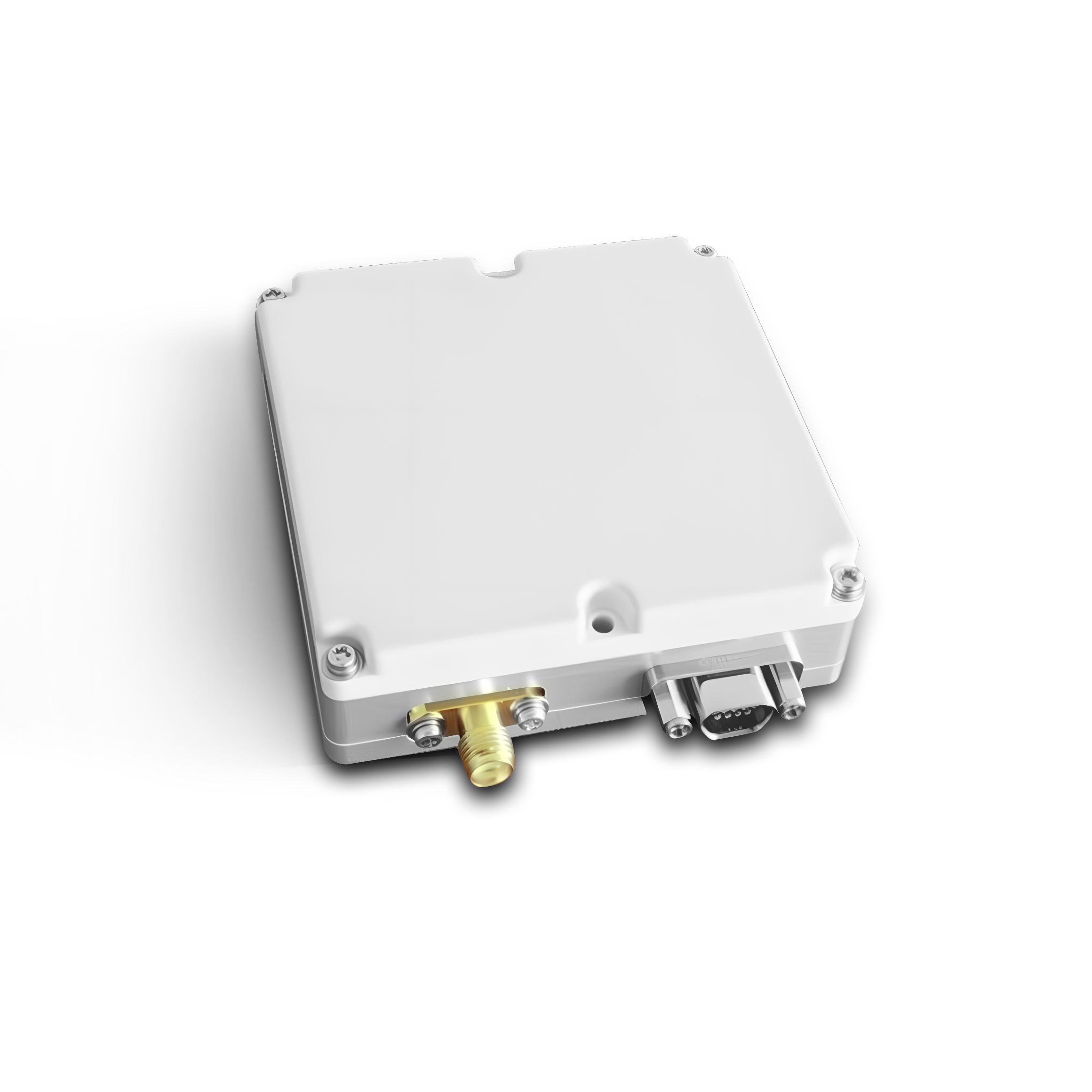 SLA-4B1L1-65
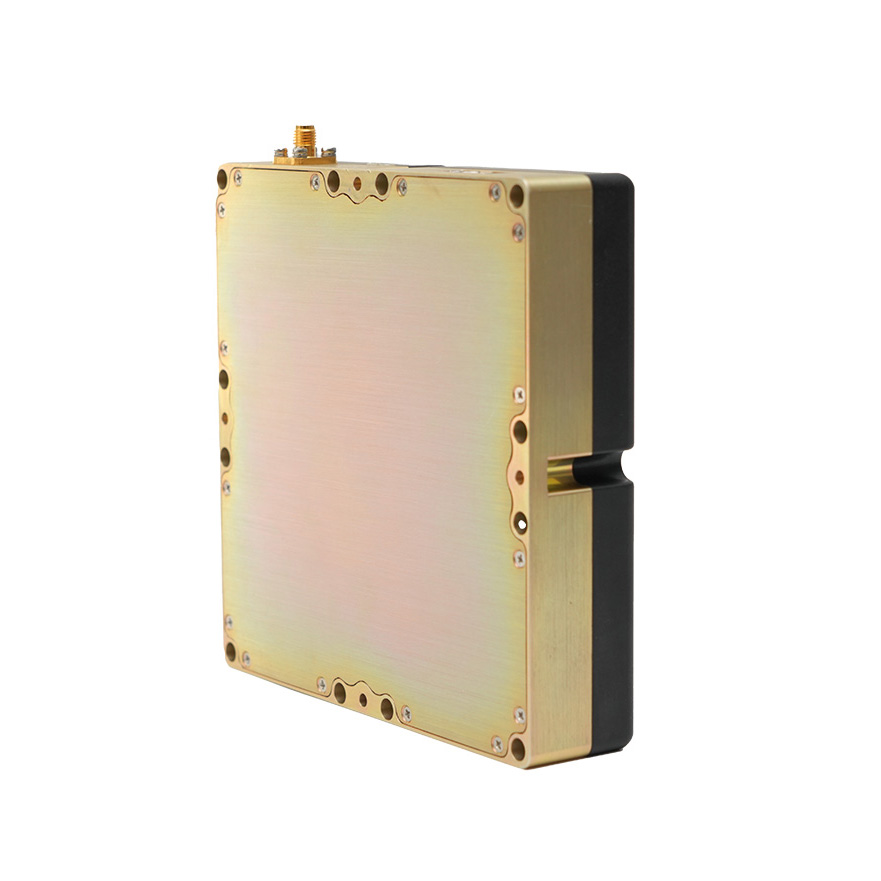 SLA-4B1L1-130
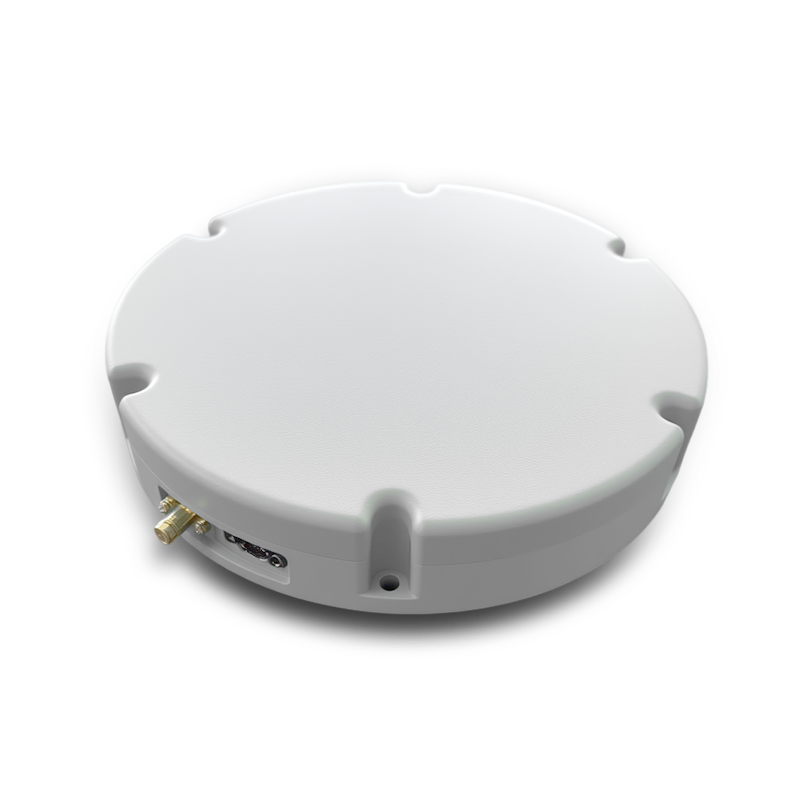 SLA-8B1L1-165
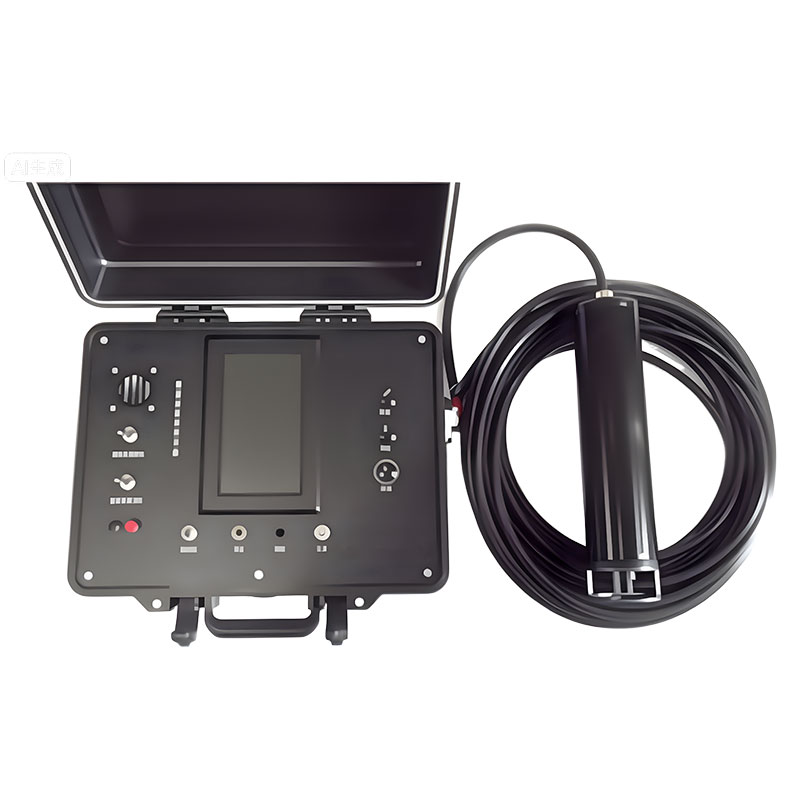 DIVER 101
 DIVER 102
 DIVER 103
 DIVER 104
 DIVER 105
 DIVER 106
 SLLR3000
 SLLR905
 SLLD25
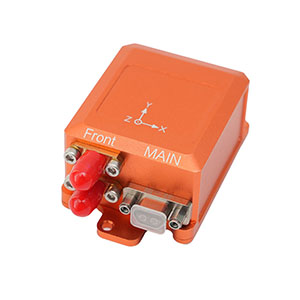 160M
160M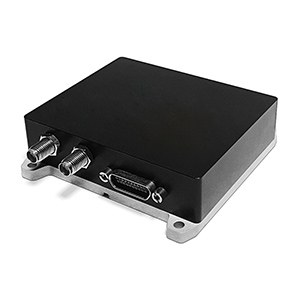 170M
170M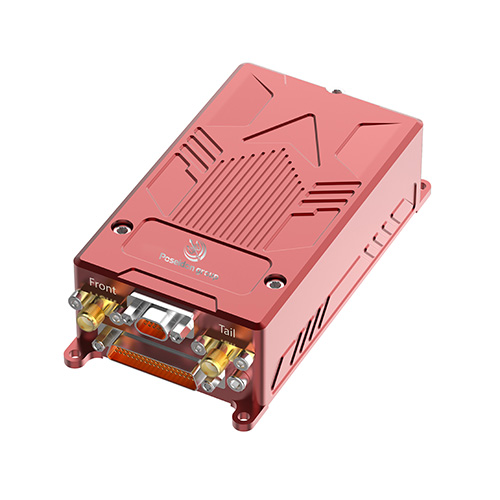 SLFC-70
 SLAF280
 MR360
MR360